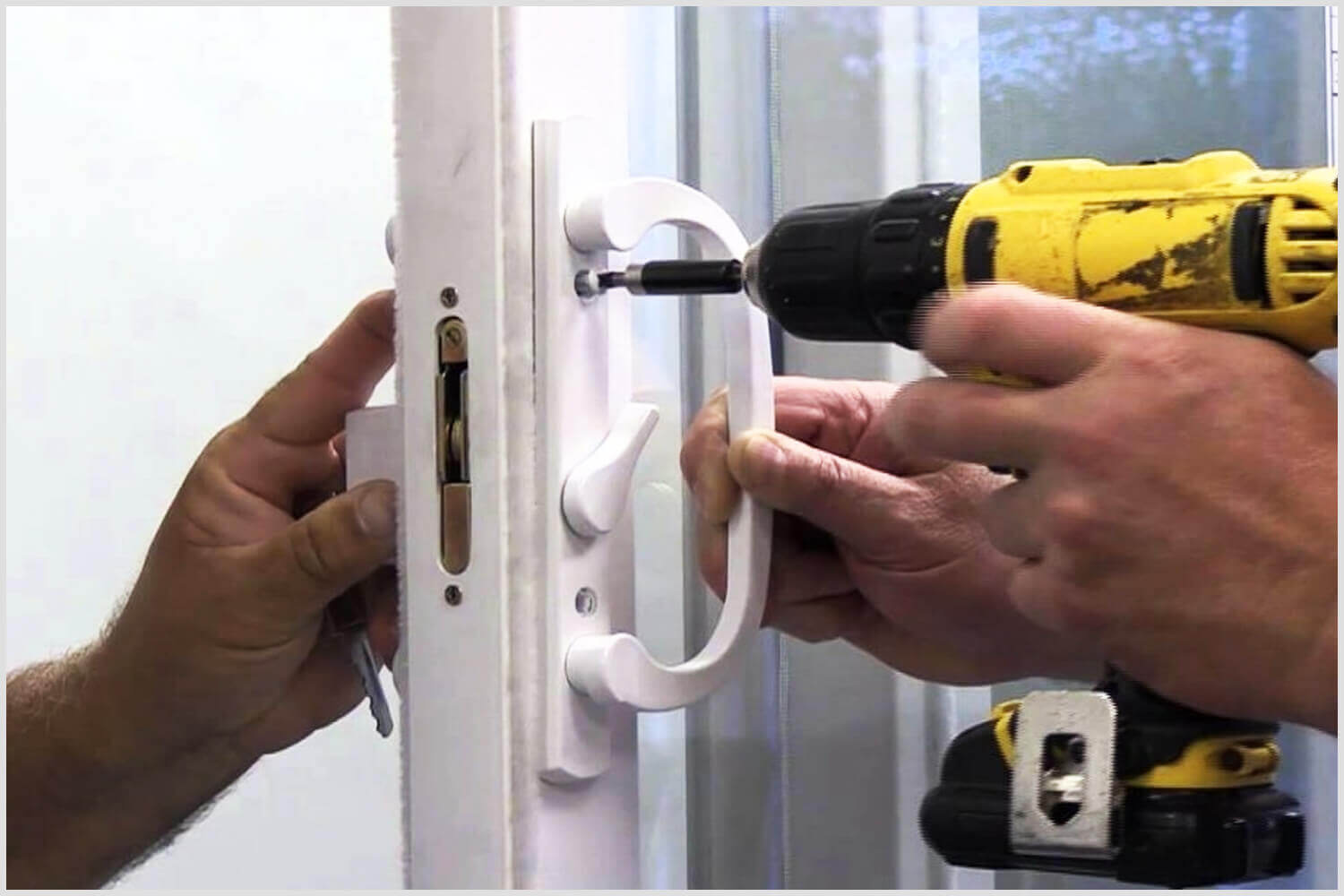
Window Refurbishment: A Comprehensive Guide
Window refurbishment is an important aspect of home maintenance and enhancement that not just enhances the aesthetic appeal of a property but also boosts energy efficiency. Over time, windows can end up being victims of wear and tear due to ecological aspects, causing issues like drafts, leaks, and reduced insulation. This short article checks out the advantages, procedures, and aspects associated with window refurbishment, offering homeowners with a thorough understanding of what's needed.
What is Window Refurbishment?
Window refurbishment includes the restoration, repair, or updating of existing windows. Unlike window replacement, which requires removing old windows completely and installing new ones, refurbishment focuses on maintaining the initial frames and glass, often leading to significant cost savings while protecting the character of a building.
Benefits of Window Refurbishment
Before diving into the refurbishment procedure, let's look at a few of the key advantages:
- Cost-Effective: Refurbishing existing windows is usually less expensive than complete replacement.
- Conservation of Architectural Character: Maintaining initial windows helps to protect the property's historic and architectural stability.
- Boosted Energy Efficiency: Modern strategies can improve insulation and minimize heating expenses.
- Reduced Waste: Refurbishment decreases ecological impact by reducing garbage dump waste from old windows.
- Enhanced Comfort: Properly refurbished windows can eliminate drafts, enhancing indoor convenience levels.
The Window Refurbishment Process
Window refurbishment normally takes place in a number of phases, as laid out listed below:
Assessment and Inspection:
- Condition Analysis: Inspect windows for rot, fractures, or structural problems.
- Energy Efficiency Check: Evaluate insulation and sealing effectiveness.
Cleaning up and Preparation:
- Surface Cleaning: Remove dirt, paint, and old sealant.
- Repair: Address any structural damage, such as rot or decay.
Upgrading Components:
- Sealing Gaps: Improve weatherization by applying new seals or caulk.
- Glass Replacement: Upgrade to double or triple glazing for better insulation.
Completing Touches:
- Painting and Staining: Restore or alter the outside finish for protection and visual appeals.
- Hardware Replacement: Update locks, manages, and hinges for enhanced functionality.
Last Inspection:
- Ensure all refurbished components are functioning properly and efficiently.
Key Considerations
When considering window refurbishment, a couple of key factors should guide your decision-making process:
| Factor | Description |
|---|---|
| Age of Windows | Older windows may require more comprehensive restoration efforts. |
| Building Regulations | Guarantee compliance with local structure codes, specifically in heritage-listed homes. |
| Type of Material | Wood, vinyl, and aluminum have various maintenance requirements and reconditioning methods. |
| Spending plan | Establish a spending plan that accounts for all elements of refurbishment, consisting of materials and labor. |
Often Asked Questions (FAQs)
1. For how long does window refurbishment take?
The duration can differ depending on the number of windows and the extent of the work required. On average, it can take anywhere from a couple of days to several weeks.
2. Can visit the next web page of windows be reconditioned?
A lot of window types can be refurbished, including wood, aluminum, and vinyl windows. However, the techniques might differ.
3. Is refurbishment eco-friendly?
Yes, refurbishing windows is a sustainable practice as it decreases waste and conserves resources by extending the lifespan of existing materials.
4. How can I tell if my windows need refurbishment?
Signs include draftiness, condensation between the panes, peeling paint, and visible damage like rot or fractures.
5. Should I attempt refurbishment myself?
While minor repair work can be undertaken by homeowners, it's often best to work with specialists for extensive work or if you lack experience, especially with structural changes.
When to Consider Replacement Over Refurbishment
In some circumstances, window replacement might be more proper than refurbishment. Think about replacement if:
- The windows are significantly damaged beyond repair.
- The expense of refurbishment approaches the expense of brand-new windows.
- You desire an extreme modification in window style for visual reasons.
- Energy effectiveness is substantially compromised, and modern replacements could offer much better services.
Window refurbishment is an important financial investment for house owners wanting to maintain their property's heritage and improve energy efficiency. By understanding the refurbishment process, its benefits, and crucial factors to consider, homeowners can make informed decisions about the conservation of their windows. Whether seeking to repair, bring back, or modernize existing windows, appropriate refurbishment can boost the beauty and functionality of a home while providing substantial long-lasting savings.
Additional Resources
For those interested in learning more about window refurbishment, consider the following resources:
- Local home enhancement workshops
- Online tutorials or DIY videos
- Consultations with professional refurbishers
- Neighborhood online forums concentrated on home maintenance
By choosing to refurbish rather than replace, homeowners not only protect their investment but also contribute positively to the environment.